
Consumer Electronics Development Lifecycle Guide: From Design to Device
- Introduction
- Understanding the Consumer Electronics Development Lifecycle
- Quality Assurance: Building Reliable Devices
- Industry Standards and Compliance
- Overcoming Design and Development Challenges
- Electrostatic Discharge (ESD) Protection: Safeguarding Sensitive Components
- Electromagnetic Interference (EMI) Mitigation: Ensuring Signal Integrity
- Miniaturization and Thermal Management: Balancing Size, Power, and Heat
- Component Sourcing and Supply Chain Management: Navigating Global Risks
- Global Quality Control: Ensuring Consistency Across Manufacturing Sites
- Case Studies: Well-Known Success Stories in Consumer Electronics
- Best Practices for Design to Device Transformation
- Actionable Insights and Recommendations
- Final Thoughts on Consumer Electronics Development Lifecycle
- About DesignToDevice
- Why trust DesignToDevice?
- Want to learn more?
- Sign Up To Our Newsletter
Introduction
Consumer electronics are woven into daily life, from smartphones and wearables to smart home devices and entertainment systems. These products not only shape how we communicate and work but also influence our leisure and health. The sector is known for its rapid pace, with new models and features released regularly to meet evolving consumer expectations. This constant innovation cycle means that companies must be agile, responsive, and deeply attuned to user needs.
For professionals, product managers, and engineers, understanding the full journey from concept to device is essential. The process involves more than just technical know-how; it requires a strategic approach to design, manufacturing, compliance, and market positioning. Each stage presents unique challenges, from ensuring product reliability to navigating complex regulatory landscapes.
This guide is designed to provide a clear, practical roadmap for bringing consumer electronics to market. It draws on industry best practices, real-world case studies, and the latest market data to help you make informed decisions at every step. Whether you’re launching a new device or refining an existing product line, the insights here will help you deliver quality, compliant, and competitive products.[
Understanding the Consumer Electronics Development Lifecycle
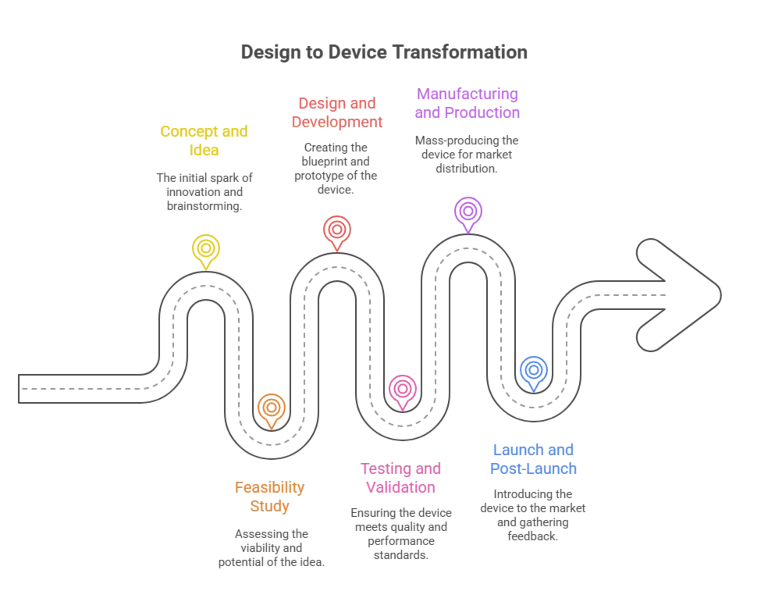
A structured development lifecycle is the backbone of successful consumer electronics manufacturing.
Concept and Idea
The Concept and Idea phase is where new product ideas are born. Teams identify user needs, analyze market trends, and generate creative solutions. This stage is essential for ensuring that the product addresses real problems and stands out in a crowded market.
Key Activities
- Problem Identification: Use empathy mapping and customer journey mapping to uncover unmet needs.
- Brainstorming: Hold structured sessions using techniques like SCAMPER and mind mapping to generate a wide range of ideas.
- Idea Screening: Evaluate concepts based on feasibility, market potential, and alignment with business goals.
- Concept Development: Create low-fidelity prototypes or sketches to visualize ideas and gather early feedback.
- Validation: Test concepts with users and stakeholders, then refine based on input.
Best Practices
| Best Practice | Description |
|---|---|
| User-Centric Approach | Involve end-users early to ensure the concept solves real problems. |
| Cross-Functional Teams | Include engineering, design, and marketing for diverse perspectives. |
| Structured Ideation | Use frameworks like Design Thinking to guide creativity. |
| Rapid Prototyping | Visualize concepts quickly for early feedback. |
| Iterative Refinement | Continuously improve ideas based on feedback. |

Feasibility Study
The Feasibility Study phase is where a promising idea is put to the test. Before investing significant resources, teams must determine if the concept is practical, achievable, and worth pursuing. This phase is especially important for hardware startups and companies entering new markets, as it helps avoid costly missteps and sets a clear direction for development.
Technical Feasibility
The first step is to assess whether the technology needed for the product is ready and available. Teams often build proof-of-concept prototypes to validate core functions and identify technical hurdles early. This hands-on approach helps reduce uncertainty and provides a reality check before moving forward. This stage is very confronting for many, as often we experience expectations from certain components that are not realistic. For example: It needs to be powered on a coin-cell but it needs to last 2 years. It is therefore crucial to understand the limitations of certain factors which we are really good at, at DesignToDevice. If you need some pointers just contact us.
Economic Feasibility
No project can proceed without a clear understanding of costs and potential returns. Teams estimate development, manufacturing, and lifecycle expenses, then compare these to projected revenues. This analysis is crucial for attracting investors and ensuring the project is financially sound.
The cost price needs to be below $3 US. It needs to have a flex PCB, a rechargeable battery, be within these size limits. This is also often confronting for many clients. Everything is possible, but everything increases your BOM. Therefore we often find the middle way which often still has features the client wishes for, but at a economic sensible price.
Operational Feasibility
A great idea must also fit within existing processes and meet user needs. Teams evaluate whether the new product can be integrated into current manufacturing workflows and if it aligns with customer expectations. This step often involves engaging with stakeholders, including users, partners, and regulators, to gather feedback and ensure alignment.
Risk Assessment
Identifying and managing risks is a core part of the feasibility study. Teams use tools like risk probability matrices and scenario analysis to prioritize potential issues—ranging from supply chain disruptions to technical integration challenges. Early risk assessment allows for proactive planning and reduces the chance of surprises later in the project.
Supplier and Partner Evaluation
Reliable sourcing is essential for any electronics project. Teams vet suppliers and potential manufacturing partners to ensure they can deliver quality components on time and at scale. This is particularly important for startups, who may not have established supply chains.
With almost 50 years of existence in the Electronics Industry, we understand reliable sourcing. If you need help sourcing products, please contact us here.
Best practices for your feasibility study
- Build early prototypes to reduce technical uncertainty
- Consider all costs, including development, manufacturing, lifecycle, and potential support, in your analysis.
- Engage stakeholders early for feedback and buy-in
- Use structured risk assessment tools
- Vet suppliers thoroughly to avoid quality or delivery issues

Design and Development: Turning Ideas into Reality
Once a concept passes the feasibility test, it moves into the Design and Development phase. Here, ideas become tangible products through a series of detailed, collaborative steps. This phase is where technical expertise, creativity, and practical know-how come together.
Product Architecture
The process begins with defining the system-level design. Teams map out the hardware, firmware, and software architecture, ensuring all components work together seamlessly. This blueprint guides the rest of the development process.
Detailed Design
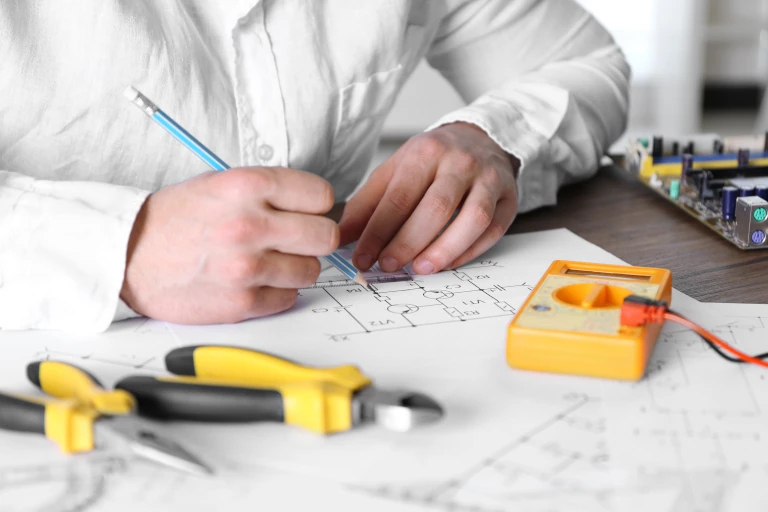
Engineers and designers create schematics, PCB layouts, enclosures, and user interfaces. Every detail matters, from the placement of components on a circuit board to the feel of a button or the clarity of a display. The goal is to balance performance, usability, and manufacturability.
Prototyping
Functional prototypes are built and tested to gather feedback and validate design choices. Rapid prototyping allows teams to iterate quickly, making improvements based on real-world testing and user input. This cycle of build-test-refine is repeated until the product meets all requirements.
Design for Manufacturability (DFM)
To ensure the product can be produced efficiently at scale, teams integrate DFM principles from the start. This involves working closely with manufacturing experts to select materials, optimize assembly processes, and minimize the risk of defects or delays.
Design Reviews
Regular cross-functional reviews bring together engineers, designers, and manufacturing partners to catch issues early. These reviews help ensure that the product is robust, reliable, and ready for the next phase. Make sure to connect with a consumer panel, send them a few free samples and just ask them about their opinion on your design. We’ve noticed with DesignToDevice that consumers use products in a way we just don’t always test as they are unforeseen edge cases.
Best practices for Design and Development
- Use rapid, iterative prototyping to refine designs
- Involve manufacturing experts early for DFM
- Hold regular cross-disciplinary design reviews
- Document all design decisions and changes
- Incorporate user feedback into every iteration
Testing and Validation
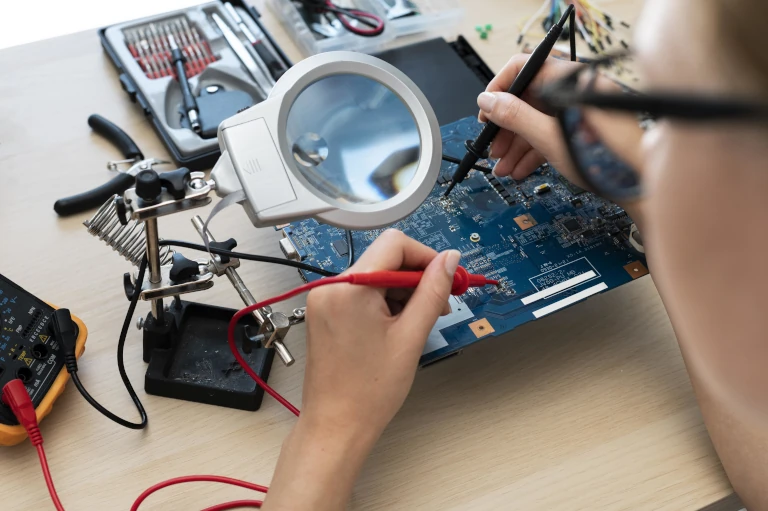
Testing and validation follow, encompassing functional, durability, and compliance testing to ensure the product meets both regulatory and consumer standards.
Only after passing these rigorous checks does the product move to manufacturing and production, where it is scaled up for market release.
Verification Testing
Before a product can move to mass production, it must pass through rigorous Testing and Validation. This phase is about confirming that the product not only works as intended but also meets all regulatory and quality standards.
Validation Testing
Teams start by checking that the product meets all design specifications. This includes functional tests to ensure every feature works as planned and that the product performs reliably under expected conditions.
Compliance and Certification
Next, the product is tested to ensure it fulfills user needs and intended use cases. This often involves real-world testing with target users, gathering feedback, and making final adjustments.
Reliability and Durability Testing
Consumer electronics must meet a range of regulatory standards, from electromagnetic compatibility (EMC) to safety and environmental requirements. Teams conduct compliance testing and work with certification bodies to secure the necessary approvals for market entry.
Iterative Refinement
Best practices for Testing and Validation
- Test early and often to catch issues before they become costly
- Integrate compliance planning from the start
- Use automated testing systems for efficiency and consistency
- Document all test results and corrective actions
- Embrace continuous improvement based on feedback
Manufacturing and Production
The Manufacturing and Production phase is where a validated prototype is transformed into a scalable, market-ready product. This stage is highly structured and involves several key activities to ensure efficiency, quality, and reliability.
Design for Manufacturability (DFM) and Process Planning
Before mass production begins, the product design undergoes a DFM review. This process ensures that the design can be produced efficiently at scale, reducing the risk of defects and costly rework. DFM teams collaborate with engineers to optimize component placement, material selection, and assembly methods, making sure the product is both robust and cost-effective.
Component Sourcing and Supply Chain Management
Manufacturers source components from a global network of vetted suppliers. Strategies such as counterfeit prevention, buffer stock, and alternative sourcing are used to manage risks and maintain a steady supply of high-quality parts. Real-time data integration and close supplier collaboration help prevent delays and ensure timely delivery.
Assembly and Automation
Production lines are set up using advanced technologies like Surface Mount Technology (SMT) for PCB assembly and automated systems for high-volume tasks. Modular assembly lines allow for flexibility, enabling manufacturers to scale production from thousands to millions of units as demand grows.
Quality Control and Assurance
Continuous Improvement
Lean manufacturing principles and continuous improvement practices, such as value stream mapping and Kaizen events, are used to identify inefficiencies and drive ongoing enhancements in the production process.

Launch and Post-Launch
The Launch and Post-Launch phase is where the product enters the market and begins its lifecycle with customers. This stage is as much about strategy and support as it is about the initial release.
Pre-Launch Preparation
A successful launch starts with detailed planning. Teams set clear goals, define key performance indicators (KPIs), and develop a go-to-market (GTM) strategy. Activities include beta testing, integrating user feedback, and finalizing packaging and distribution logistics.
Market Introduction
Coordinated marketing campaigns, launch events, and targeted outreach to media and influencers help build anticipation. Distribution channels are activated to ensure the product is available in key markets. Regional considerations, such as certification and localization, are addressed to meet local requirements.
Post-Launch Monitoring and Support
After launch, companies track sales, customer feedback, and product performance. This data informs rapid adjustments to marketing, support, or product features. Dedicated support teams handle inquiries, warranty claims, and troubleshooting, while online resources empower customers to resolve common issues independently.
Product Updates and Lifecycle Management
For connected devices, regular firmware and software updates address security, improve functionality, and add new features. Lifecycle management includes planning for product updates, managing inventory, and eventually, end-of-life (EOL) strategies such as recycling or offering upgrade paths.
Case Studies and Continuous Improvement
Leading brands like Samsung, LG, Sony, and Apple have demonstrated that integrating AI, focusing on user experience, and leveraging major industry events can drive successful launches. Continuous innovation and customer engagement are key to maintaining momentum and brand loyalty. The sources where we found this info are at the bottom of this page inside the CES 2025 references.

Overview of the Consumer Electronics Development Lifecycle
| Stage | Description |
| Concept & Ideation | Brainstorming, market research, identifying user needs |
| Feasibility Study | Technical and economic analysis, risk assessment |
| Design & Development | Hardware/software design, prototyping, iterative testing |
| Testing & Validation | Functional, durability, and compliance testing |
| Manufacturing & Production | Scaling up, quality control, supply chain management |
| Launch & Post-Launch | Market introduction, user support, updates |
A well-structured lifecycle not only ensures that products meet user needs and regulatory requirements but also helps companies manage risks, control costs, and accelerate time-to-market. Cross-functional teams, which combines engineering, design, marketing, and compliance expertise, are now standard practice. This enables faster decision-making and more robust product outcomes.
Key points of Understanding the Consumer Electronics Development Lifecycle

Quality Assurance: Building Reliable Devices
Quality assurance (QA) is a cornerstone of consumer electronics development. It ensures that products are reliable, safe, and meet both regulatory and consumer expectations. QA is not a single step but a continuous process that spans the entire development lifecycle, from initial design to final shipment.
Quality Assurance in Electronics: The Importance of Clear Requirements
Clear requirements are the foundation of effective QA. By defining specifications early, teams can align on what constitutes a successful product and avoid costly changes later. User-centric testing is equally important, focusing on real-world use cases to ensure the device performs as expected in the hands of consumers. Automation and AI-driven tests are increasingly used to improve efficiency and catch defects that might be missed by manual inspection.
Continuous Integration: Ongoing Quality Assurance in Electronics
Continuous integration practices mean that testing happens throughout development, not just at the end. This approach allows teams to catch issues early and iterate quickly. Standard operating procedures (SOPs) and thorough documentation help maintain consistency and ensure compliance with industry standards. Regular risk assessments and audits further strengthen QA by identifying potential issues before they become major problems.
Overview Quality Assurance in Electronics
| QA Process | Description |
| Quality Standards Definition | Establishes benchmarks (e.g., ISO, IPC) for product quality |
| Incoming Material Inspection | Verifies the quality of components before production |
| In-Process Quality Control (IPQC) | Includes AOI, process monitoring, and functional testing during assembly |
| Final Product Testing | Functional, environmental, and compliance testing of finished devices |
| Continuous Improvement | Ongoing audits, defect tracking, and risk assessments |
| SOPs and Documentation | Ensures consistency and regulatory compliance |
| Automation and Digital Tools | Utilizes AI, sensors, and automated systems for real-time QA |
Adhering to international standards like ISO 9001 and IPC-A-610 is now common practice. These standards provide frameworks for consistent product quality, process improvement, and customer satisfaction.
The use of digital tools, such as AI-driven inspection systems and real-time monitoring, further enhances QA by enabling rapid detection and correction of issues. Integrating QA from the start reduces costly errors and improves product reliability.
Key points of Quality Assurance: Building Reliable Devices

Industry Standards and Compliance
Compliance with industry standards is essential for market access and consumer trust. The regulatory landscape for consumer electronics is complex and constantly evolving, with new rules introduced to address emerging technologies, environmental concerns, and safety requirements.
Electronics Compliance Standards in the United States: FCC and UL Certification
In the United States, FCC certification is mandatory for all electronic products that emit radio frequency energy. This ensures devices do not cause harmful electromagnetic interference and comply with technical standards for radio frequency emissions, helping maintain the integrity of wireless communications and other electronic systems.
UL certification is widely recognized for product safety, especially regarding electrical shock and fire hazards. Products bearing the UL mark have been evaluated for safety risks, which is often a requirement for access to major retail channels and increases consumer trust. Manufacturers pursuing both FCC and UL certifications demonstrate a commitment to both regulatory compliance and public safety in the electronics industry.
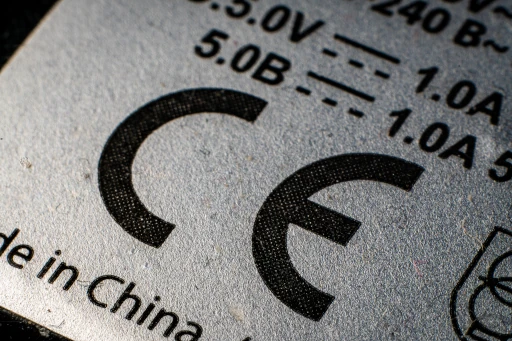
CE Marking and Conformity Assessment: Essential for Electronics in the European Union
In the European Union, CE marking is required for most consumer electronics. This mark signifies that a product complies with EU safety, health, and environmental protection requirements, allowing it to be sold freely across the European Economic Area. Achieving CE certification involves a thorough conformity assessment process, preparation of technical documentation, and adherence to directives such as the Electromagnetic Compatibility (EMC) Directive and the Low Voltage Directive.
Manufacturers must ensure their products undergo necessary testing and maintain records to demonstrate compliance if challenged by market surveillance authorities. CE marking not only facilitates market access but also reassures consumers about product safety and regulatory adherence.
Environmental and Chemical Compliance: RoHS, WEEE, REACH, and GPSR
The RoHS Directive restricts the use of hazardous substances like lead, mercury, and cadmium in electronic equipment, reducing environmental and health risks. The WEEE Directive mandates the recycling and proper disposal of electronic waste, requiring manufacturers to facilitate collection and treatment of end-of-life products.
Additionally, the REACH Regulation governs the use of chemicals in all products, including electronics, ensuring that substances of very high concern are identified and managed. The recently introduced General Product Safety Regulation (GPSR) further strengthens requirements for product safety and traceability, demanding that manufacturers implement robust processes to identify, assess, and mitigate potential hazards throughout the product lifecycle. These regulations collectively advance both environmental stewardship and consumer protection within the electronics sector.
Summary table electronics compliance standards
| Standard/Certification | Region/Scope | Purpose/Requirement |
| FCC | United States | Regulates electromagnetic interference and radio frequency emissions. |
| UL | United States, Global | Product safety certification, especially for electrical and fire safety. |
| CE Marking | European Union | Health, safety, and environmental protection for products sold in the EU. |
| RoHS | EU, China, Global | Restricts hazardous substances in electrical/electronic equipment. |
| WEEE | European Union | Mandates recycling and proper disposal of electronic waste. |
| REACH | European Union | Regulates chemicals in products, including electronics. |
| ISO 9001 | Global | Quality management systems for consistent product quality. |
| IEC Standards | Global | International safety, performance, and testing standards. |
Staying compliant requires ongoing monitoring of regulatory changes and proactive updates to compliance strategies. Companies must maintain detailed documentation and traceability for all components and processes, enabling quick responses to audits and facilitating product recalls if necessary. Digital compliance management systems are increasingly used to streamline these efforts and reduce administrative burdens.
Key points of Industry Standards and Compliance
Overcoming Design and Development Challenges
Designing and developing consumer electronics is a complex process that involves navigating a variety of technical, logistical, and quality-related hurdles. As consumer expectations for performance, reliability, and form factor continue to rise, engineers and manufacturers must address these challenges with innovative solutions and robust processes. From safeguarding sensitive components against electrostatic discharge to ensuring a resilient global supply chain, each stage of development demands careful planning and execution. Below, we explore some of the most significant challenges and the strategies used to overcome them.
Electrostatic Discharge (ESD) Protection: Safeguarding Sensitive Components
Electrostatic discharge (ESD) is a persistent threat in electronics manufacturing and assembly. Even a small static charge can disrupt the normal operation of electronic components, causing issues such as leakages, shorts, gate oxide ruptures, and even permanent damage to resistor-metal interfaces. The ESD Association estimates that up to 25% of all electronics damaged for unknown reasons can be attributed to ESD, costing the industry billions annually.
To mitigate these risks, engineers integrate ESD protection at both the component and system levels, employing strategies such as grounding, shielding, and the use of antistatic materials during handling and assembly. Developing a comprehensive ESD control program is essential for maintaining product reliability and reducing costly failures.

Electromagnetic Interference (EMI) Mitigation: Ensuring Signal Integrity
Electromagnetic interference (EMI) is another critical concern in electronics design. EMI can cause crosstalk between circuits, degrade signal quality, and lead to regulatory compliance issues. Effective EMI mitigation requires careful printed circuit board (PCB) layout, strategic component placement, and the use of shielding materials to minimize emissions and susceptibility. As devices become more complex and densely packed, maintaining signal integrity becomes increasingly challenging, necessitating advanced simulation tools and rigorous testing protocols.
Miniaturization and Thermal Management: Balancing Size, Power, and Heat
The trend toward miniaturization is reshaping the consumer electronics landscape. Consumers demand devices that are smaller, lighter, and more powerful, pushing engineers to adopt high-density PCB designs, advanced materials, and compact components. However, as devices shrink, managing heat dissipation becomes more complex. Traditional cooling methods may no longer suffice, prompting the development of innovative thermal management solutions such as heat pipes, vapor chambers, and advanced thermal interface materials. Effective component placement and the use of simulation tools are crucial for optimizing thermal performance and ensuring device longevity.
Component Sourcing and Supply Chain Management: Navigating Global Risks
The global nature of electronics manufacturing introduces significant challenges in component sourcing and supply chain management. Disruptions can arise from geopolitical events, natural disasters, or sudden shifts in market demand, leading to shortages and production delays. To mitigate these risks, companies are advised to cultivate robust supplier relationships, maintain buffer inventories, and design products with component flexibility in mind. This approach allows for the substitution of alternative parts when necessary, reducing vulnerability to supply chain shocks and ensuring continuity in production.
Global Quality Control: Ensuring Consistency Across Manufacturing Sites
Maintaining consistent product quality across multiple manufacturing sites is essential for brand reputation and regulatory compliance. This requires the implementation of standardized quality control processes, regular audits, and continuous training for personnel. Advanced data analytics and real-time monitoring systems can help identify and address quality issues early in the production process, minimizing defects and ensuring that every product meets stringent safety and performance standards.
Key points of Design and Development Challenges
Case Studies: Well-Known Success Stories in Consumer Electronics
Learning from successful product launches provides valuable lessons for any development team.
The Apple iPhone
The Apple iPhone is a prime example, setting new standards for design, marketing, and user experience. Apple’s approach combined user-centric design, iterative prototyping, and a tightly integrated ecosystem. The company’s cross-functional teams worked in secrecy, rapidly iterating on prototypes and refining features based on extensive usability testing. This disciplined process ensured a cohesive user experience and high product quality at launch.
Dyson vacuum cleaners
Dyson vacuum cleaners illustrate the value of persistence and innovation. Founder James Dyson built over 5,000 prototypes before perfecting the first bagless, cyclonic vacuum cleaner. Dyson’s willingness to challenge industry norms and invest heavily in R&D led to a product that addressed longstanding consumer pain points. The company’s focus on rapid prototyping, user feedback, and continuous improvement helped it become a market leader.
Amazon Kindle
The Amazon Kindle transformed the reading experience by making books instantly accessible. Amazon’s product team prioritized seamless content integration and iterative hardware updates, responding to user feedback to improve usability, battery life, and display quality. The Kindle’s success was also driven by Amazon’s robust digital ecosystem, which included a vast library of e-books and personalized recommendations.



| Product | Key Success Factors | Notable Outcomes |
| Apple iPhone | User-centric design, integrated ecosystem, iterative prototyping | Redefined smartphones, set new industry standards, created robust app ecosystem |
| Dyson Vacuum | Persistent R&D, 5,000+ prototypes, cyclonic technology | Market leader in home cleaning, redefined vacuum performance and design |
| Amazon Kindle | Seamless content integration, user feedback, iterative hardware updates | Changed reading habits, expanded digital book market |
Best Practices for Design to Device Transformation
Turning an idea into a market-ready device requires a digital-first, integrated approach. Lean and agile methodologies are widely adopted to accelerate development, reduce waste, and improve responsiveness to market feedback.
Embracing Lean and Agile Methodologies
Lean and agile methodologies have become industry standards for driving efficient product development. By focusing on cross-functional teamwork, rapid prototyping, and iterative feedback cycles, teams can quickly adapt to changing requirements and customer needs. These approaches reduce waste, minimize delays, and ensure that the end product aligns closely with market expectations.

Leveraging Digital Transformation in Manufacturing
Digital transformation is reshaping how devices move from concept to reality. The adoption of AI, IoT, and no-code platforms enables more flexible production lines and faster prototyping. These digital tools allow manufacturers to monitor processes in real time, optimize resource usage, and accelerate time-to-market. The result is a more responsive, cost-effective, and scalable manufacturing process.
Customization and Personalization Through Advanced Technologies
Today’s consumers expect products tailored to their individual preferences. Advances in data analytics and modern manufacturing technologies make it possible to offer customization and personalization at scale. Companies can analyze user data to create features and designs that resonate with target audiences, enhancing user satisfaction and product differentiation.
Prioritizing Sustainability in Design and Production
Sustainability is now a core consideration in electronics design. Companies are choosing eco-friendly materials, designing devices for repairability, and improving energy efficiency throughout the product lifecycle. These efforts not only reduce environmental impact but also appeal to increasingly eco-conscious consumers and help meet regulatory requirements.
Continuous Learning and Technology Adoption
Staying ahead in the fast-paced electronics market requires a commitment to continuous learning. Studying industry leaders, analyzing case studies, and embracing new technologies and sustainability initiatives are essential for maintaining a competitive edge. Companies that foster a culture of innovation and adaptability are better equipped to respond to both challenges and opportunities.
Key points of Best Practices for Design to Device Transformation

Final Thoughts on Consumer Electronics Development Lifecycle
The consumer electronics industry is fast-paced and complex, but with the right approach, companies can deliver products that meet both technical standards and user expectations. By following best practices in development, quality assurance, and compliance. By staying informed about trends and challenges, you can turn innovative ideas into successful devices. For more technical resources and updates, visit www.designtodevice.com.
About DesignToDevice
DesignToDevice delivers electronics manufacturing solutions for startups and established businesses. From prototyping to full-scale production, we support your project at every stage. Our focus on quality, transparency, and design for manufacturing (DFM) ensures your ideas move smoothly from concept to finished product.
Why trust DesignToDevice?
At DesignToDevice, our content is written and reviewed by professionals with hands-on experience in electronics manufacturing and design. We reference recognized industry standards and certifications, and we regularly update our articles to reflect the latest developments. Our commitment is to provide clear, accurate, and practical information you can rely on.
Internal Links (DesignToDevice.com)
External Links (Sources)
Sign Up To Our Newsletter
We send newsletters when new blog posts go live. Timely insights crafted for industry professionals.